With cybersecurity becoming crucial in the financial sector, this discussion delves into the key strategies and technologies essential for safeguarding sensitive data and maintaining regulatory compliance.
Exploring the best practices, technologies, and regulations surrounding cybersecurity solutions for financial institutions, this comprehensive guide offers valuable insights and recommendations for a robust security framework.
Introduction to Cybersecurity Solutions for Financial Institutions
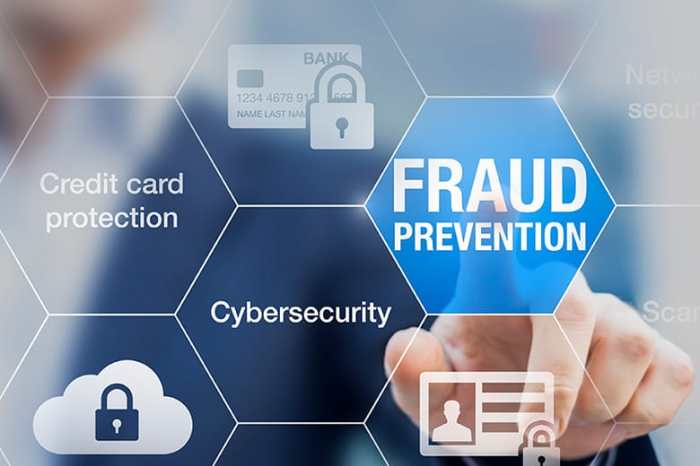
In today’s digital age, cybersecurity is of utmost importance for financial institutions to protect sensitive data and maintain the trust of their customers.
The Importance of Cybersecurity in the Financial Sector
Cybersecurity is crucial for financial institutions as they deal with vast amounts of confidential information, such as customer account details, financial transactions, and personally identifiable information. A breach in security could lead to severe financial loss, reputation damage, and legal consequences.
Common Cyber Threats Faced by Financial Institutions
- Phishing attacks: Cybercriminals use deceptive emails or websites to trick individuals into sharing sensitive information.
- Ransomware: Malicious software that encrypts data and demands payment for decryption, disrupting operations and causing financial harm.
- Insider threats: Employees or third-party vendors with access to sensitive data may intentionally or unintentionally compromise security.
- DDoS attacks: Distributed Denial of Service attacks overwhelm a system with traffic, leading to service disruption and potential financial loss.
Potential Consequences of a Cybersecurity Breach for Financial Institutions
- Financial Loss: Data breaches can result in hefty fines, legal fees, and loss of customers, impacting the institution’s bottom line.
- Reputation Damage: A cybersecurity incident can erode trust and credibility, leading to a loss of customers and tarnishing the institution’s image.
- Regulatory Penalties: Failure to protect customer data can lead to regulatory fines and sanctions, further damaging the institution’s financial standing.
Best Practices for Implementing Cybersecurity Solutions
Implementing cybersecurity solutions in financial institutions requires a proactive approach to safeguard sensitive data and prevent cyber threats. Here are some best practices to consider:
Effective Strategies for Securing Financial Data
- Use multi-factor authentication to verify user identities and enhance access control.
- Implement firewall and intrusion detection systems to monitor and filter network traffic.
- Regularly conduct security training for employees to raise awareness about potential threats and best practices.
- Utilize data encryption to protect information both in transit and at rest.
Role of Encryption in Safeguarding Sensitive Information
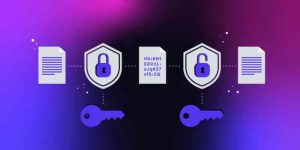
- Encryption plays a crucial role in protecting financial data by encoding information in a way that only authorized parties can access it.
- Implement end-to-end encryption to secure communication channels and prevent unauthorized access to sensitive information.
- Utilize strong encryption algorithms and key management practices to ensure the confidentiality and integrity of data.
Importance of Regular Security Audits and Updates
- Perform regular security audits to identify vulnerabilities and weaknesses in the system, allowing for timely mitigation measures.
- Keep software and systems up to date with the latest security patches and updates to address known vulnerabilities.
- Establish a schedule for regular security assessments and penetration testing to evaluate the effectiveness of existing security measures.
Technologies Utilized in Cybersecurity Solutions
Firewalls and Intrusion Detection Systems play a crucial role in safeguarding financial institutions against cyber threats. These technologies work together to protect sensitive data and prevent unauthorized access to networks.
Firewalls and Intrusion Detection Systems
- Firewalls act as a barrier between a trusted internal network and untrusted external networks, monitoring and controlling incoming and outgoing network traffic.
- Intrusion Detection Systems (IDS) analyze network traffic for suspicious activity or known patterns of attacks, alerting security teams to potential threats.
- When combined, firewalls and IDS provide a layered defense mechanism that helps in detecting and blocking malicious activities before they can cause harm.
Multi-Factor Authentication
- Multi-Factor Authentication (MFA) adds an extra layer of security by requiring users to provide multiple forms of verification before granting access to accounts or systems.
- By incorporating MFA, financial institutions can reduce the risk of unauthorized access, even if passwords are compromised.
- Using factors such as passwords, biometrics, smart cards, or tokens, MFA enhances security measures and protects sensitive financial data.
AI and Machine Learning
- Artificial Intelligence (AI) and Machine Learning technologies are increasingly being used in cybersecurity to detect and respond to cyber threats in real-time.
- AI algorithms can analyze vast amounts of data to identify patterns and anomalies that may indicate a potential security breach.
- Machine Learning models can adapt and improve over time, enhancing the accuracy and efficiency of threat detection and response mechanisms.
Compliance and Regulations in Cybersecurity for Financial Institutions
Financial institutions are subject to a variety of regulatory frameworks governing cybersecurity to ensure the protection of data and client privacy. Two key regulations that impact these institutions are GDPR and PCI DSS.
Overview of GDPR and PCI DSS
The General Data Protection Regulation (GDPR) is a comprehensive data protection law that applies to companies operating within the European Union. It requires financial institutions to protect the personal data of EU citizens and imposes strict penalties for non-compliance.
The Payment Card Industry Data Security Standard (PCI DSS) is a set of security standards designed to ensure that all companies that accept, process, store, or transmit credit card information maintain a secure environment. Financial institutions that deal with credit card transactions must comply with PCI DSS to protect sensitive financial data.
Requirements for Data Protection and Client Privacy
- Encrypting sensitive data: Financial institutions must encrypt sensitive data both in transit and at rest to prevent unauthorized access.
- Access controls: Implementing strict access controls to ensure that only authorized personnel can access sensitive information.
- Regular security audits: Conducting regular security audits to identify vulnerabilities and ensure compliance with regulations.
Challenges of Maintaining Compliance with Evolving Regulations
- Complexity of regulations: Keeping up with the evolving regulatory landscape can be challenging for financial institutions, especially with the introduction of new laws and guidelines.
- Resource constraints: Implementing and maintaining compliance with cybersecurity regulations requires significant resources in terms of time, money, and expertise.
- Third-party risk: Financial institutions often work with third-party vendors who may have access to sensitive data, increasing the risk of compliance violations.
Role of Data Analytics in Enhancing Cybersecurity Solutions
Data analytics plays a crucial role in enhancing cybersecurity solutions for financial institutions. By analyzing vast amounts of data, organizations can detect anomalies and potential security breaches before they escalate into major threats. Let’s explore how data analytics can improve cybersecurity measures:
Detecting Anomalies and Potential Security Breaches
Data analytics tools can sift through massive datasets to identify irregular patterns or behaviors that may indicate a security breach. By monitoring network traffic, user activity, and system logs, organizations can quickly detect any unauthorized access or suspicious activities. Through advanced analytics algorithms, security teams can proactively respond to threats and mitigate potential risks before they cause significant damage.
Use of Predictive Analytics in Anticipating Cyber Threats
Predictive analytics leverages historical data, machine learning models, and statistical algorithms to forecast potential cyber threats. By analyzing past incidents and trends, organizations can anticipate future attacks and vulnerabilities. This proactive approach enables financial institutions to strengthen their defenses, implement preemptive security measures, and stay ahead of emerging threats.
Benefits of Real-Time Data Analysis for Proactive Security Measures
Real-time data analysis allows organizations to monitor their systems continuously and respond immediately to any security incidents. By leveraging real-time analytics tools, financial institutions can detect and thwart cyber threats as they unfold. This proactive approach enhances incident response capabilities, minimizes the impact of security breaches, and safeguards sensitive data from unauthorized access.Overall, data analytics empowers financial institutions to bolster their cybersecurity defenses, detect potential threats in advance, and respond swiftly to security incidents.
By harnessing the power of data analytics, organizations can enhance their overall security posture and protect their critical assets from cyber threats.
In conclusion, Cybersecurity Solutions for Financial Institutions play a pivotal role in safeguarding data integrity and client trust. By implementing the recommended practices and staying abreast of evolving threats, financial institutions can fortify their defenses and mitigate cybersecurity risks effectively.
Essential Questionnaire
What are the key cybersecurity threats faced by financial institutions?
Common threats include phishing attacks, ransomware, and DDoS attacks targeting financial data and sensitive information.
How can financial institutions ensure compliance with cybersecurity regulations?
By adhering to regulatory frameworks like GDPR and PCI DSS, implementing robust data protection measures, and conducting regular security audits.
What role does data analytics play in enhancing cybersecurity solutions?
Data analytics helps in detecting anomalies, predicting cyber threats, and enabling real-time analysis for proactive security measures.