
Embark on a journey into the realm of Big Data Analytics Solutions, where data-driven decisions shape the future of businesses and innovation.
Explore the transformative capabilities of harnessing data analytics for unparalleled growth and success in the digital age.
Big Data Analytics Solutions
Big data analytics solutions refer to the use of advanced analytics techniques to analyze large and complex datasets in order to extract valuable insights and make informed business decisions.Leveraging big data analytics solutions in businesses is crucial in today’s data-driven world. By analyzing large volumes of data from various sources, organizations can uncover patterns, trends, and correlations that can help them identify new opportunities, optimize processes, improve decision-making, and gain a competitive edge in the market.
Key Features and Benefits of Big Data Analytics Solutions
- Scalability: Big data analytics solutions can handle massive amounts of data, allowing businesses to analyze and process data at scale.
- Predictive Analytics: By using advanced algorithms, organizations can predict future trends and outcomes based on historical data, enabling them to make proactive decisions.
- Real-time Insights: Big data analytics solutions can provide real-time insights, allowing businesses to react quickly to changing market conditions and customer preferences.
- Data Visualization: These solutions often include powerful visualization tools that make it easier to interpret complex data and communicate insights effectively.
- Cost Efficiency: By optimizing processes and identifying areas for improvement, businesses can reduce costs and increase operational efficiency.
Components of Big Data Analytics Solutions
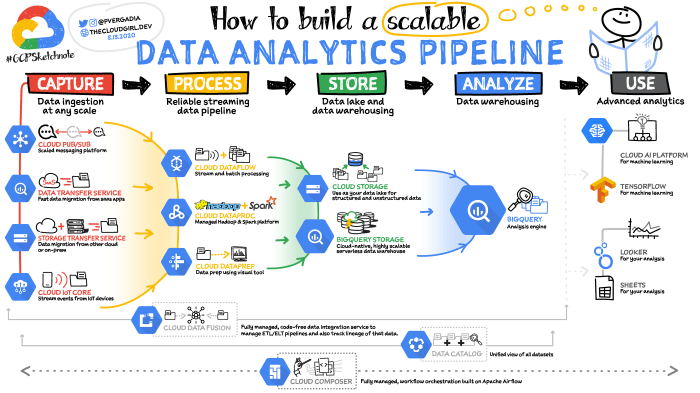
Big data analytics solutions consist of several key components that work together to process and analyze massive volumes of data efficiently. These components include data collection tools and data processing algorithms, both of which play crucial roles in the overall analytics process.
Data Collection Tools
Data collection tools are essential in gathering data from various sources such as social media, sensors, logs, and other data repositories. These tools help in extracting, transforming, and loading data into the analytics system. By collecting data from diverse sources, organizations can gain valuable insights and make informed decisions based on comprehensive data sets.
Data Processing Algorithms
Data processing algorithms are algorithms designed to analyze and interpret large datasets efficiently. These algorithms are responsible for cleaning, organizing, and transforming raw data into actionable insights. By applying advanced algorithms such as machine learning and artificial intelligence, organizations can uncover patterns, trends, and correlations within big data sets, leading to valuable business insights and strategic decision-making.
Implementation of Big Data Analytics Solutions
Implementing big data analytics solutions involves several key steps to ensure successful deployment and utilization of these technologies. This process typically includes data collection, data processing, data analysis, and data visualization. Let’s explore the steps involved in implementing big data analytics solutions in more detail.
Data Collection
Data collection is the first step in implementing big data analytics solutions. It involves gathering data from various sources, such as databases, IoT devices, social media platforms, and more. Organizations need to ensure they collect high-quality, relevant data to derive valuable insights.
Data Processing
Once the data is collected, the next step is data processing. This involves cleaning, transforming, and preparing the data for analysis. Data processing ensures that the data is accurate, complete, and ready for analysis.
Data Analysis
After data processing, the data is analyzed using various statistical and machine learning algorithms to uncover patterns, trends, and insights. Data analysis helps organizations make informed decisions and drive business growth.
Data Visualization
The final step in implementing big data analytics solutions is data visualization. Data visualization tools are used to present the analyzed data in a visual format, such as charts, graphs, and dashboards. This makes it easier for stakeholders to understand the insights derived from the data.
Comparison of Software Tools
There are various software tools available for implementing big data analytics solutions, each with its own strengths and weaknesses. Some popular tools include Apache Hadoop, Apache Spark, Tableau, and Microsoft Power BI. These tools offer different functionalities and features to support the implementation of big data analytics solutions.
Successful Case Studies
Several organizations have successfully implemented big data analytics solutions to improve their operations and decision-making processes. For example, Netflix uses big data analytics to recommend personalized content to its users, leading to increased user engagement and retention. Another example is Walmart, which uses big data analytics to optimize its supply chain and inventory management, resulting in cost savings and improved efficiency.
Challenges in Big Data Analytics Solutions
Implementing and maintaining big data analytics solutions come with their own set of challenges that organizations need to address to ensure the success of their data-driven initiatives. These challenges can range from technical issues to data quality concerns, all of which can impact the effectiveness of big data analytics solutions.
Scalability Issues
Scalability is a major challenge in big data analytics solutions, particularly as the volume of data continues to grow exponentially. Organizations need to ensure that their infrastructure can handle the increasing amount of data being generated and processed. Failure to scale effectively can lead to performance issues, delays in data processing, and ultimately hinder the ability to derive valuable insights from the data.
- Ensuring that the infrastructure can handle the growing volume of data is crucial.
- Implementing scalable storage and processing solutions is essential for managing large datasets.
- Failure to address scalability issues can result in bottlenecks and reduced efficiency in data processing.
Data Quality and Integrity
The success of big data analytics solutions heavily relies on the quality and integrity of the data being analyzed. Poor data quality, inaccuracies, or inconsistencies can lead to flawed analysis and incorrect insights. Organizations must prioritize data quality to ensure that the decisions and actions based on the analytics are reliable and meaningful.
- Implementing data quality processes and standards is essential to maintain accurate data.
- Regularly monitoring and cleansing data to remove errors and inconsistencies is crucial for data integrity.
- Investing in data governance practices to establish data quality standards and accountability across the organization.
Cybersecurity Solutions in Data Analytics
Ensuring cybersecurity in data analytics is crucial to protect sensitive information and maintain the integrity of data processes. Implementing robust cybersecurity solutions is essential to safeguard data and prevent potential threats.
Types of Cybersecurity Threats
Organizations utilizing data analytics may face various cybersecurity threats that can compromise their data integrity and security. Some common types of cybersecurity threats include:
- Malware attacks: Malicious software designed to disrupt operations or gain unauthorized access to data.
- Phishing attacks: Deceptive emails or messages aimed at tricking users into revealing sensitive information.
- Insider threats: Risks posed by employees or individuals within the organization who misuse their access to data.
- Ransomware attacks: Malware that encrypts data and demands payment for decryption, posing a serious threat to data availability.
Strategies for Integrating Cybersecurity Measures
Integrating cybersecurity measures within data analytics processes is essential to enhance the overall security posture of an organization. Some strategies for effectively incorporating cybersecurity solutions include:
- Implementing encryption techniques to secure data both at rest and in transit.
- Conducting regular security audits and assessments to identify vulnerabilities and address them proactively.
- Training employees on cybersecurity best practices to prevent social engineering attacks and enhance overall security awareness.
- Utilizing advanced threat detection tools and technologies to monitor and mitigate potential security incidents in real-time.
As we conclude our exploration of Big Data Analytics Solutions, we are reminded of the profound impact data insights can have on shaping strategies and driving business excellence in a data-driven world.
Helpful Answers
What are the main benefits of utilizing big data analytics solutions?
Big data analytics solutions offer enhanced decision-making capabilities, improved operational efficiency, and the ability to uncover valuable insights for strategic planning.
How can organizations ensure the success of big data analytics solutions?
Organizations can ensure success by investing in data quality, maintaining data integrity, and addressing scalability challenges proactively.
What role do data processing algorithms play in big data analytics solutions?
Data processing algorithms are crucial for analyzing vast amounts of data efficiently, enabling organizations to derive meaningful insights and patterns from complex datasets.


