Embark on the journey of safeguarding your small business with Affordable Cybersecurity Solutions for Small Business, unraveling the importance, challenges, and solutions in a captivating manner.
Delve into the realm of cybersecurity tailored for small businesses, discovering the key strategies and tools to secure your digital assets effectively.
Introduction to Affordable Cybersecurity Solutions for Small Business
In today’s digital age, cybersecurity is crucial for small businesses to protect their sensitive data and maintain customer trust. However, many small businesses face challenges in implementing effective cybersecurity measures due to limited resources and expertise.
The Importance of Cybersecurity for Small Businesses
Small businesses are increasingly becoming targets for cyber attacks due to their perceived vulnerability. Without adequate cybersecurity measures in place, these businesses risk losing valuable data, facing financial losses, and damaging their reputation.
Challenges Faced by Small Businesses in Implementing Cybersecurity Measures
- Lack of budget for investing in cybersecurity tools and technologies
- Lack of in-house expertise to manage and monitor cybersecurity systems
- Difficulty in keeping up with evolving cyber threats and trends
Examples of Cybersecurity Breaches in Small Businesses
- A small retail store experiencing a data breach resulting in customer credit card information being stolen
- A small accounting firm falling victim to a ransomware attack, locking them out of their systems unless a payment is made
Consequences of Inadequate Cybersecurity Measures for Small Businesses
Small businesses that neglect cybersecurity measures may face severe consequences, such as:
- Financial losses due to data theft or system downtime
- Legal repercussions for failing to protect customer data
- Damaged reputation leading to loss of customer trust and business opportunities
Types of Affordable Cybersecurity Solutions
When it comes to cybersecurity solutions for small businesses, there are various types of affordable options available. These solutions are crucial in protecting sensitive data and preventing cyber attacks.
Cloud-Based Cybersecurity Solutions
- Cloud-based cybersecurity solutions offer small businesses the advantage of scalability, flexibility, and cost-effectiveness. By utilizing cloud services, businesses can easily manage and update their security measures without the need for complex hardware installations.
- These solutions also provide real-time threat intelligence and automated security updates, ensuring that businesses are protected against the latest cyber threats.
- Examples of cloud-based cybersecurity solutions include cloud antivirus software, cloud-based firewalls, secure web gateways, and cloud-based data encryption tools.
Modern Affordable Solutions vs. Traditional Methods
- Modern affordable cybersecurity solutions leverage advanced technologies like artificial intelligence and machine learning to detect and respond to cyber threats more effectively.
- Traditional cybersecurity methods, on the other hand, often rely on manual processes and outdated technologies, making them less efficient in combating sophisticated cyber attacks.
- Cost-effective modern solutions include endpoint detection and response (EDR) tools, security information and event management (SIEM) solutions, and threat intelligence platforms.
Cost-Effective Cybersecurity Tools and Software
- Open-source security tools such as Snort, Suricata, and OSSEC provide small businesses with affordable options for intrusion detection, log analysis, and network monitoring.
- Freemium cybersecurity software like Avast Free Antivirus, Malwarebytes Free, and Comodo Firewall offer basic protection against malware and viruses at no cost.
- Managed security service providers (MSSPs) can also deliver cost-effective cybersecurity solutions tailored to the needs of small businesses, offering services such as threat monitoring, incident response, and vulnerability assessments.
Implementing Cybersecurity Solutions for Small Business
Implementing cybersecurity solutions in a small business is crucial to protect sensitive data and maintain the trust of customers. It involves a step-by-step process to ensure that the business is adequately protected from cyber threats.
Role of Employee Training in Maintaining Cybersecurity
Employee training plays a vital role in maintaining cybersecurity within a small business. Here are some key points to consider:
- Provide regular training sessions on cybersecurity best practices and the latest threats.
- Teach employees how to identify phishing emails and other common cyber attacks.
- Encourage employees to use strong, unique passwords and enable two-factor authentication.
- Ensure employees understand the importance of keeping software and systems up to date.
Tips for Creating a Cybersecurity Policy for Small Businesses
Creating a cybersecurity policy is essential to establish guidelines and procedures for protecting sensitive data. Here are some tips for crafting an effective cybersecurity policy:
- Clearly Artikel the roles and responsibilities of employees in maintaining cybersecurity.
- Specify the types of data that need to be protected and the security measures in place to safeguard it.
- Include procedures for responding to security incidents and breaches.
- Regularly review and update the cybersecurity policy to adapt to evolving threats.
Best Practices for Ensuring Data Protection in Small Businesses
Ensuring data protection is crucial for the success and reputation of a small business. Here are some best practices to follow:
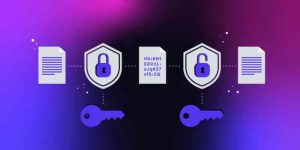
- Encrypt sensitive data to prevent unauthorized access.
- Back up data regularly to prevent loss in case of a cyber attack.
- Implement access controls to restrict employee access to sensitive information.
- Monitor network activity for any signs of unusual behavior that may indicate a security breach.
Importance of Data Analytics in Cybersecurity Solutions
Data analytics plays a crucial role in enhancing cybersecurity measures by providing valuable insights into potential threats and vulnerabilities. By analyzing large volumes of data, organizations can proactively detect and prevent cyber attacks before they cause significant damage.
Detecting and Preventing Cyber Threats
- Data analytics tools can monitor network traffic in real-time to identify unusual patterns or behaviors that may indicate a cyber threat.
- By analyzing user behavior and access logs, data analytics can help detect unauthorized access attempts or insider threats.
- Machine learning algorithms can be used to predict and prevent future cyber attacks based on historical data and patterns.
Utilization of Data Analytics Tools
- Security Information and Event Management (SIEM) systems use data analytics to aggregate and analyze security events from across the network.
- User and Entity Behavior Analytics (UEBA) tools can identify anomalies in user behavior that may signal a potential security breach.
- Big data platforms enable organizations to store, process, and analyze large amounts of security data for threat detection and response.
Benefits of Integrating Data Analytics
- Enhanced threat detection capabilities by leveraging advanced analytics and machine learning algorithms.
- Improved incident response times through real-time monitoring and automated alerting systems.
- Increased visibility into security posture and vulnerabilities to prioritize remediation efforts effectively.
In conclusion, Affordable Cybersecurity Solutions for Small Business offers a comprehensive guide to fortifying your business against cyber threats, emphasizing the significance of proactive measures and cost-effective solutions.
FAQ Explained
What are the common cybersecurity challenges faced by small businesses?
Small businesses often struggle with limited budgets, lack of expertise, and inadequate resources to implement robust cybersecurity measures.
How can cloud-based cybersecurity solutions benefit small businesses?
Cloud-based solutions offer scalability, cost-efficiency, and accessibility, making them ideal for small businesses to enhance their cybersecurity posture.
Why is employee training crucial for maintaining cybersecurity in small businesses?
Employee training ensures awareness of security best practices, reduces human errors, and strengthens the overall security culture within the organization.
What role does data analytics play in cybersecurity solutions for small businesses?
Data analytics helps in detecting and preventing cyber threats by analyzing patterns, anomalies, and trends in data, providing insights for proactive security measures.
How can small businesses create an effective cybersecurity policy?
Creating a cybersecurity policy involves defining security roles, outlining procedures for incident response, establishing protocols for data protection, and ensuring compliance with regulations.